[Joint Research #3] From Stagnation to Modernisation: Indonesia’s Defence Shift under Prabowo Subianto
Written by: Farrel Ananda Arkent Staff of Research and Discussion, Putu Devi Savitri Staff of Research and Discussion, Muhamad Ragil Aditya Staff of Research Division on Peduli Hankam Community, & Aurelio Alfonzo Staff of Research Division on Peduli Hankam Community
Abstract
Indonesia has embarked on its most significant defence modernisation programme in more than a decade under President Prabowo Subianto, marked by a substantial increase in military expenditure, expanded defence diplomacy, and diversified defence procurement. This article examines the factors driving the acceleration of Indonesia’s defence procurement by employing Gideon Rose’s neoclassical realism and Goh’s concept of hedging to explain Indonesia’s defence diplomacy strategy. The study argues that structural pressures alone, including China’s growing assertiveness in the North Natuna Sea and intensifying U.S.-China strategic rivalry, cannot fully explain the timing and scale of Indonesia’s recent defence expansion. Instead, these external pressures are filtered through domestic variables, particularly President Prabowo’s threat perception and strategic worldview, which prioritise sovereignty, national resilience, and strategic autonomy. Drawing on qualitative analysis of defence policies, official documents, and recent procurement programmes, the article demonstrates that Indonesia’s procurement diversification reflects a deliberate hedging strategy rather than policy inconsistency. By expanding defence cooperation with multiple partners while avoiding exclusive alignment with any major power, Indonesia seeks to strengthen military capabilities, reduce dependence on a single supplier, and preserve diplomatic flexibility amid an increasingly uncertain Indo-Pacific security environment. However, this diversified dependence on other nations for arms modernisation can lead to a weaker domestic self-sufficiency in the defense industry if it were not used to stimulate growth in that sector. The findings highlight the continued relevance of neoclassical realism in explaining middle-power defence policies and contribute to the broader literature on defence procurement, strategic autonomy, and Indo-Pacific security.
Keywords: Indonesia, defence modernisation, neoclassical realism, hedging strategy, defence procurement
Introduction
Indonesia is currently undergoing one of the most significant defence transformations in its modern history. One of the earliest indications of this transformation was President Prabowo Subianto’s decision to prioritise defence diplomacy immediately after taking office. Within only eight days of his inauguration on October 20, 2024, he ratified five defence cooperation agreements with India, Brazil, the United Arab Emirates, Cambodia, and France. These early initiatives signalled the new administration’s commitment to accelerating defence modernisation through diversified international defence partnerships (Nugroho, 2024). This commitment is further reflected in Indonesia’s national development agenda. According to the Ministry of National Development Planning/National Development Planning Agency (Bappenas), strengthening the national defense security system and encouraging national independence has been designated as the second national development priority under the 2025-2029 National Medium-Term Development Plan (RPJMN). To achieve this objective, the government estimates a total funding requirement of Rp 7,957.1 trillion, consisting of Rp 1,698.9 trillion from the state budget (APBN) and Rp 6,258.2 trillion from non-APBN sources (Badan Perencanaan Pembangunan Nasional, 2025). Moreover, following a meeting with Commission I of the House of Representatives (DPR), Brigadier General Frega Wenas Inkiriwang, Head of the Ministry of Defence’s (MoD) Information Bureau, confirmed that the government intends to gradually raise the defence budget from approximately 0.8 percent of the national GDP to more than 1 percent, with a long-term objective of reaching 1.5 percent of the national GDP as long as Indonesia maintains 7% economic growth (Marison & Nurfitra, 2025).
Indonesia’s Defence Expenditure (% of GDP), 2015-2025
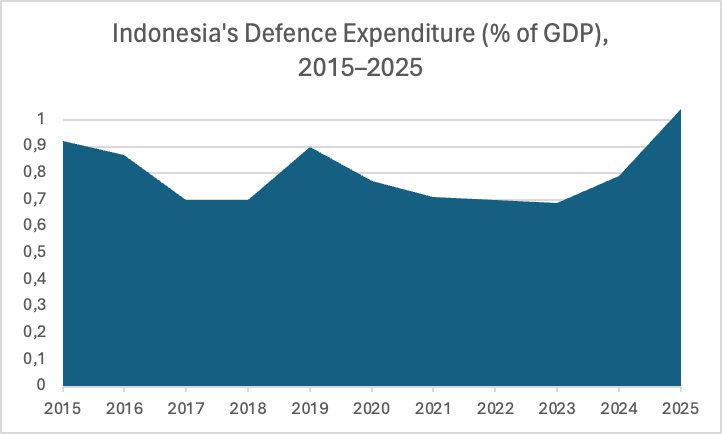
Graph 1. Indonesia’s defense expenditure in percentage of national GDP from 2015-2025
Compiled using existing data from The Military Balance (2017, 2023, 2026) & World Bank Group (n.d.).
This ambition represents Indonesia’s most significant expansion in defence spending in more than a decade. Throughout President Joko “Jokowi” Widodo’s administration, military expenditure remained relatively stagnant as a share of GDP, fluctuating between 0.69% and 0.90% from 2015 to 2024 and consistently remaining below the 1% threshold. This pattern shifted markedly under President Prabowo Subianto. Military expenditure increased from 0.79% of GDP in 2024 to 1.04% in 2025, accompanied by the large annual increase in the defence, from Rp190.4 trillion to Rp247.5 trillion. According to SIPRI (2026a), Indonesia’s military expenditure increased by 28% between 2024 and 2025, representing the country’s largest year-on-year increase in military spending in more than a decade. This also marked the first time in a decade that Indonesia allocated more than 1% of its GDP to defence. According to Dierks (2026), this sharp rise in military expenditure reflects Indonesia’s effort to modernise its armed forces in order to keep pace with the military capabilities of neighbouring countries, particularly Malaysia and Singapore.
Furthermore, other scholars offer a similar explanation. For instance, Hastawan et al. (2026) argue that Indonesia’s defence modernisation is primarily a response to China’s increasingly assertive activities in the North Natuna Sea. They contend that persistent gray-zone tactics including incursions by Chinese Coast Guard and fishing vessels, survey operations, and interference with maritime law enforcement have challenged Indonesia’s sovereignty, prompting an adaptive defence strategy that integrates military modernisation, maritime security, defence diplomacy, and the reaffirmation of international law. At the same time, the rivalry between the United States (U.S.) and China has further reshaped Indonesia’s security environment. One notable example is the establishment of AUKUS, which is widely regarded as part of the U.S.’ offshore balancing strategy to counter China’s growing influence in the Indo-Pacific. This development has intensified the regional security dilemma, accelerated military competition, and generated concerns over the future of ASEAN Centrality, the Southeast Asia Nuclear-Weapon-Free Zone (SEANWFZ), the Treaty of Amity and Cooperation (TAC), and the Nuclear Non-Proliferation Treaty (NPT), further reinforcing Indonesia’s need to strengthen its defence posture due to security dilemma (Nurfauzi et al., 2022).
In contrast, according to Brigadier General Inkiriwang, the increase is primarily intended to accelerate the modernisation of Indonesia’s defence capabilities through the procurement of new main weapon systems (alutsista) and the strengthening of the national defence industry. He explained that many existing military assets have become obsolete and require replacement. As an archipelagic state, Indonesia plans to reinforce its naval capabilities by modernising its fleet of warships, frigates, submarines, missile systems, ammunition, sensor technologies, and cyber defence capabilities. The additional funding will also support defence bureaucracy reform and the development of human resources within the MoD and the Indonesian National Armed Forces (TNI) (Salam, 2025).
Similarly, Pramudya and Hasanudin (2026) argue that the modernisation of the Indonesian Air Force (TNI AU) between 2015 and 2025 was driven by operational requirements, evolving global geopolitical dynamics, and the need to strengthen Indonesia’s defence industrial capacity through the acquisition of advanced defence technologies. They contend that the procurement of Dassault Rafale fighter aircraft, GM403 radar systems, and the Air Defence Ground Environment (ADGE) integrated command system was intended to enhance deterrence; improve early warning capabilities; safeguard national air sovereignty; and strengthen resilience against multidimensional threats, including conventional, cyber, space, and other non-traditional security challenges. These modernisation efforts also enhanced Indonesia’s combat readiness; air policing; and command-and-control capabilities, particularly in strategically significant areas such as Natuna and Papua. This perspective is later supported by the Indonesian National Resilience Institute (Lemhannas) (2026), which argues that Indonesia’s geostrategic position requires a modern and adaptive defence posture. Therefore, weapons modernisation strengthens operational capabilities, deterrence, and sovereignty while reducing dependence on imported weapon systems through defence industrial development, research and development, and emerging technologies.
These differing explanations reveal an important gap in the existing literature. Previous studies have identified both external and internal dimensions of Indonesia’s defence modernisation. External-oriented studies emphasise structural pressures, such as China’s growing assertiveness and the intensification of great-power rivalry in the Indo-Pacific, while other studies highlight internal priorities, including the replacement of obsolete military equipment, strengthening the domestic defence industry, and institutional capacity building. Some scholars, such as Pramudya and Hasanudin (2026), have attempted to connect these dimensions by demonstrating how global geopolitical dynamics and operational requirements influenced Indonesia’s military modernisation. However, limited attention has been given to how these external and internal factors are interpreted through leaders’ perceptions and translated into defence policy. This limitation is particularly evident in explaining the timing and scale of Indonesia’s recent procurement surge. Although security pressures, including China’s maritime assertiveness and broader U.S.-China strategic competition, had existed before Prabowo assumed the presidency, Indonesia’s most significant expansion of defence procurement and diversification of defence partnerships occurred during his administration. Therefore, this article examines how external systemic pressures, domestic conditions, and leadership perceptions interact to explain Indonesia’s accelerated defence modernisation under President Prabowo.
Theoretical Framework
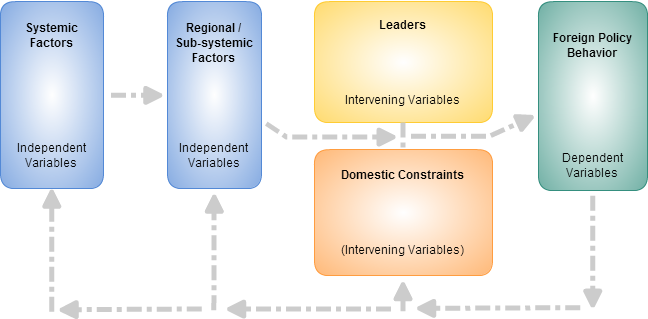
Figure 1. Operationalisation of neoclassical realism
Adapted from “Neoclassical Realism, the Limits of Analysis and International Relations Theory,” by Ü. Gürses, 2017, in Analyzing Foreign Policy Crises in Turkey: Conceptual, Theoretical, and Practical Discussions, edited by F. Aksu & H. S. Ertem, pp. 54, Cambridge Scholars Publishing.
Gideon Rose’s neoclassical realism is an international relations theory that explains foreign and defence policy by combining the structural assumptions of neorealism with the domestic-level insights of classical realism. Unlike neorealism, which assumes that state behaviour is primarily determined by the anarchic international system and the distribution of material power, neoclassical realism argues that systemic pressures do not automatically produce policy outcomes. Instead, they are filtered through domestic intervening variables, which function as a transmission belt linking the international system to state behaviour. These variables include leaders’ perceptions of external threats and opportunities, strategic preferences, and the state’s institutional capacity to mobilise political, economic, and military resources. Consequently, states facing similar structural conditions may adopt different foreign and defence policies because they interpret external pressures differently and possess varying domestic capacities to implement policy (Rose, 1998). This framework is particularly relevant to Indonesia, as external pressures such as China’s rise and intensifying great-power competition existed during both the Jokowi and Prabowo administrations. Yet Indonesia’s most significant expansion of defence spending occurred only under Prabowo, indicating that domestic intervening variables are crucial in explaining the timing and scale of this policy shift.
In addition, the concept of hedging will be used to explain Indonesia’s defence strategy, with defence diplomacy serving as one of the key instruments through which states implement hedging. According to Goh (2006), hedging refers to a set of strategies that allow states to avoid making definitive choices between traditional strategic alternatives, such as balancing, bandwagoning, or neutrality. Instead of aligning completely with one side, states pursue an intermediate position that preserves strategic flexibility while reducing the risks and costs associated with exclusive alignment. In the evolving Asia-Pacific security environment, hedging is characterised by the simultaneous pursuit of engagement and indirect balancing strategies. Engagement aims to maintain constructive relations with major powers, whereas indirect balancing involves strengthening defense capabilities, enhancing deterrence, and developing diplomatic, economic, and political partnerships with third parties that may provide strategic leverage if relations with a major power become more confrontational. Thus, defence diplomacy represents one of the principal instruments through which states maintain strategic flexibility while expanding defence cooperation without committing to a formal alliance (Styawati et al., 2023). In the Indonesian context, this approach helps explain why the government simultaneously expands defence cooperation with multiple countries while avoiding exclusive alignment with either the U.S. or China, thereby preserving its strategic autonomy in the Indo-Pacific.
Indonesia’s Major Defence Procurement Programmes
Indonesia is currently undertaking the largest defense system main equipment acquisition program in Southeast Asia. This acquisition includes the procurement of 42 Rafale aircraft, the transfer of two Scorpene-class submarines through PT PAL, a preliminary agreement for the procurement of Arrowhead 140 Frigates, the procurement of airborne radars, medium-range missile systems, UAVs, and the planned purchase of F-15EX. According to a press release by the MoD, Indonesia effectively entered into an official contract with Dassault Aviation on January 8, 2024, for the procurement of 18 Rafale aircraft. Prior to this third phase, Indonesia also entered into an effective first phase contract with Dassault Aviation in September 2022 for 6 units. This was then continued in August 2023 for 18 units. The total effectiveness of the official contract phases one to three with Dassault Aviation in the procurement of Rafale aircraft is 42 units (Kementerian Pertahanan Republik Indonesia, 2024).
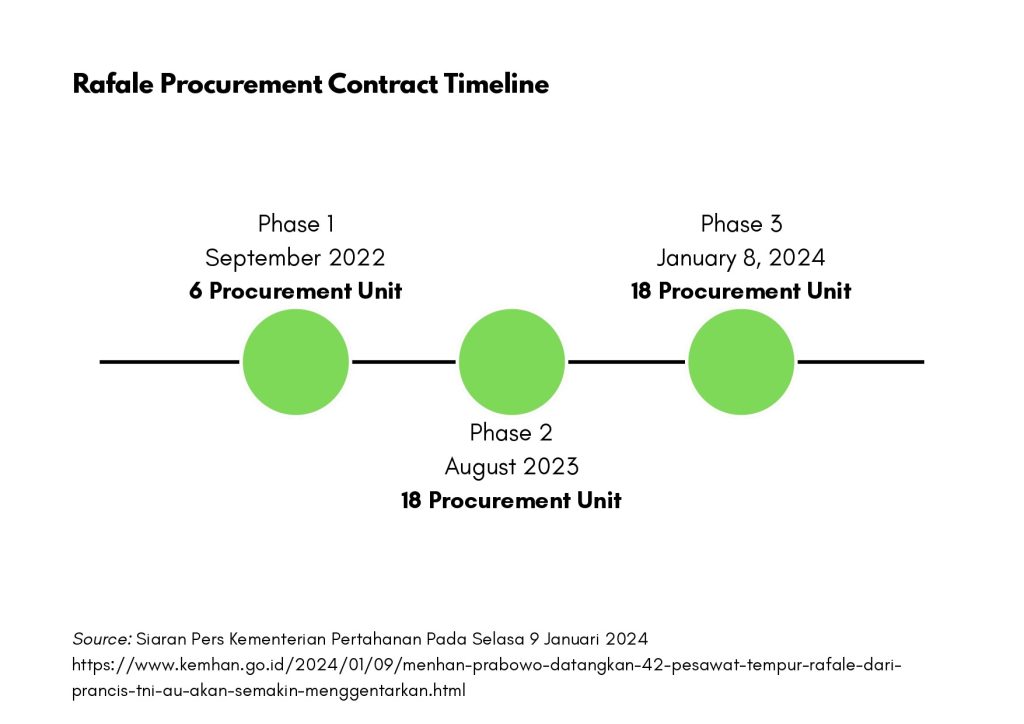
Figure 2. Timeline of Indonesia’s Rafale procurement contract with Dassault Aviation
In addition to the Rafale, Indonesia is also building a Scorpene-class submarine in its defense equipment acquisition program, a collaboration between PT PAL and Naval Group from France. The submarine construction process initially began with the signing of a Memorandum of Understanding (MoU) on strategic cooperation between PT PAL Indonesia and Naval Group on Thursday, February 10, 2022, at the Indonesian MoD office. This signing was attended by the Indonesian Minister of Defense, Prabowo; the French Minister of Defense, Florence Parly; the CEO and Board of Directors of PAL; the CEO of Naval Group; and other stakeholders. The MoD entrusted PT PAL to conduct research and development and the construction of Scorpene-type submarine units to meet the needs of the maritime defense fleet. According to Rariya Budi Harta, Corporate Secretary of PT PAL, the collaboration between Indonesia and France through the construction of Scorpene-type submarines at PT PAL Indonesia demonstrates the government’s commitment to fulfilling technological updates in its defense equipment. Both mastery of ship design and increasing human resource capabilities through the transfer of technology (ToT) program, where the role of state-owned defense industry companies, especially the maritime sector, as a domestic industry that supports the independence of the defense industry (PT PAL Indonesia, 2022).
Based on Rariya Budi Harta’s statement, there is a ToT process between PT PAL and Naval Group in the procurement of the Scorpene submarine. This can be seen from the implementation of the Steel Cutting Qualification Section carried out by PT PAL Indonesia and Naval Group on December 12, 2025. The Qualification Section is a real capability test stage for PT PAL engineers to prove that they are ready to enter the era of independent submarine production. In this process, manufacturing capabilities are tested, starting from precision welding, blasting, painting to pre-outfitting. Then the results of their work will be assessed through the acceptance process by Naval Group and become the main requirement before the full construction of the Scorpene Evolved submarine can proceed. Engineers from PT PAL had previously participated in a three-month incentive training at the Naval Group facility in Cherbourg, France. In the training, the welders were trained by certified instructors to master welding techniques specific to submarines. It is important to note that the Qualification Section method implemented in Indonesia is a capability transfer standard that has been proven successful by Naval Group in Brazil (PT PAL Indonesia, 2025).
On July 3, 2026, Safitri & Djumena (2026) reported that PT PAL Indonesia together with Naval Group accelerated the Republic of Indonesia Scorpene Submarine. The acceleration of this strategic project was marked by the First Steel Cutting in July 2026. This was faster than the original target scheduled for September 2026. According to the Director of PT PAL Indonesia, Diana Rosa, the acceleration of the physical construction of the submarine can be carried out after PT PAL together with Naval Group completed the Qualification Section to ensure the readiness of human resources, manufacturing processes, production facilities and quality control systems according to world-class submarine construction standards. According to Diana, the success of the Qualification Section proves that the ToT process is running effectively and is able to increase the capabilities of Indonesian engineers in mastering high-precision manufacturing technology (Safitri & Djumena, 2026). In addition to strategic cooperation with Naval Group from France in building Scorpene submarines, Indonesia also signed a preliminary agreement with the British company Babcock in the procurement of Arrowhead 140 Frigates. On the Babcock website January 21, 2026, it explained that Prabowo had secured the first agreement under the 4 Billion Pounds Maritime Partnership Program with Indonesia. The agreement includes the sale of two Arrowhead 140 frigate licenses which will be delivered within a few months after the agreement. This agreement is a continuation of Babcock’s initial export of two Arrowhead 140 licenses in 2021. This agreement is in the form of a Letter of Intent which paves the way for further agreements. Then this Letter of Intent was signed on behalf of President Prabowo and Babcock CEO, David Lockwood. This agreement is also a follow-up to the Maritime Partnership Program announced in November 2025 between Babcock and the Indonesian Government to jointly develop maritime capabilities for the Indonesian Navy, Fisheries Industry and Food Security (Babcock International, 2026).
And in the largest main defense system equipment acquisition program in Southeast Asia, Indonesia is also procuring air defense radars, UAVs, medium-range missile systems, and F-15EXs. For air defense radars, the results of Defense Minister Prabowo diplomacy with France were realised through a contract on April 20, 2022, between the Indonesian MoD, PT Len Industri (Persero), and Thales France for the procurement of 13 units of ground-controlled interception (GCI) GM-403 radars. The radars are scheduled for delivery in 48 months with a 36-month warranty period (Kementerian Pertahanan Replubik Indonesia, 2023). In addition to the GCI radar, Indonesia is also procuring 12 ANKA drones from Turkish Aerospace through the MoD, valued at approximately US$300 million. The agreement, reached in early February 2023, includes integrated logistics support (ILS), ground support and test equipment, a flight simulator, instructor training, and a 24-month warranty or 600 flight hours as part of the national defense modernisation program (Indonesia Defence, 2023). Indonesia also plans to procure F-15EX fighter jets. This plan began on December 7, 2020, through discussions between Defense Minister Prabowo and Acting U.S Secretary of Defense Christopher Miller regarding the acquisition of F-15s and F/A-18s. On February 10, 2022, the US Department of State, through the Defense Security Cooperation Agency (DSCA), approved the planned sale of 36 F-15s (F-15IDs) to Indonesia. Subsequently, on August 21, 2023, the Indonesian MoD and Boeing signed a MoU to finalise the acquisition of 24 F-15EXs (DSCA, 2024). However, in 2026, Boeing declared the project no longer an active campaign, meaning the procurement process was no longer being actively pursued or processed (Nistanto, 2026). The MoD said that the cancellation of the plan to purchase F-15EX fighter jets from Boeing was due to the price offered being too high. “However, the proposed price is still considered too high so it cannot be followed up,” said Rico when confirmed by Tempo, Wednesday, February 4, 2026. However, Rico did not reveal how much the price per unit of the F-15EX offered by Boeing for Indonesia, he only emphasised that the F-15EX procurement plan has not yet entered the budgeting stage (Saputra, 2026).
Systemic Pressures in the Indo-Pacific Security Environment
Beyond Indonesia’s official narrative of internal modernisation, systemic pressure from China’s expanding maritime posture constitutes a critical independent variable, pushing the Indonesian government to accelerate defence procurement. Since 2016, Indonesia has repeatedly faced grey-zone confrontations with Chinese vessels around the Natuna Islands. In that same year, at least three incidents were recorded involving Indonesian authorities and Chinese fishing vessels, prompting President Jokowi to visit Natuna in person to assert national sovereignty (Chang, 2020). Tensions subsequently escalated during the 2019-2020 standoff, when dozens of fishing vessels accompanied by China Coast Guard ships entered Indonesia’s exclusive economic zone (EEZ) (Chang, 2020; Tiola & Dinarto, 2020). In response, the Defense Area Joint Command I (Kogabwilhan) Commander confirmed that Indonesia had deployed a total of eight warships alongside four F-16 fighter jets by early January 2020 (Waspada Aceh, 2020).
Confrontations continued in September 2020, when the China Coast Guard vessel 5402 entered Indonesia’s EEZ and asserted patrol rights based on the nine-dash line, marking at least seven maritime incidents between Indonesia and China since 2010 (Tiola & Dinarto, 2020). This dynamic gained greater relevance to the acceleration of defence modernisation when, in October 2024, Indonesia twice expelled China Coast Guard vessels that disrupted Pertamina’s energy survey in the North Natuna Sea, only days after President Prabowo’s inauguration (Army Recognition, 2024; Antara News, 2024). Although Indonesia consistently denies the existence of a territorial dispute with China, the overlap between the nine-dash line claim and Indonesia’s EEZ continues to generate recurring maritime security pressure. This condition is regarded as a key structural factor driving Indonesia’s adaptive defence strategy through military modernisation, strengthened maritime security, defence diplomacy, and the reaffirmation of international law (Hastawan et al., 2026).
A second systemic pressure stems from the deepening structural rivalry between the U.S. and China, which has reshaped the broader Indo-Pacific security architecture, thereby creating a new strategic environment that Indonesia must confront. The formation of AUKUS in 2021 reflects an escalation of the U.S.-led balancing strategy to offset China’s growing regional influence, functioning as part of Washington’s offshore balancing policy (Nurfauzi et al., 2022). This dynamic has been reinforced by the expansion of the Quadrilateral Security Dialogue (QUAD) through joint military exercises and maritime coordination among the U.S., Japan, India, and Australia. At the same time, intensifying Chinese military exercises around Taiwan drove a 14 percent increase in Taiwan’s defence spending to US$18.2 billion in 2025, the largest annual increase since at least 1988 (SIPRI, 2026a). In addition, China’s own defence spending reached approximately US$336 billion in 2025, a real term increase of 7.4 percent, marking the thirty first consecutive year of growth in its military budget. The impact of this rivalry is also evident at the regional level, with military spending across Asia and Oceania reaching US$681 billion in 2025, an 8.1 percent increase over the previous year and the largest annual rise since 2009 (SIPRI, 2026b).
For Indonesia, this regional arms escalation is compounded by the perception of declining U.S. reliability as a security guarantor, owing to the increasingly transactional nature of alliance commitments under the Trump administration. This perception finds grounding in the 2026 National Defense Strategy (NDS), which explicitly emphasises the principle of burden-sharing, stating that U.S. allies and partners must shoulder a greater share of collective defence, while Washington’s support will become more limited as priorities shift toward homeland defence and a denial deterrence strategy along the first island chain (Department of War, 2026). This shift in orientation is reinforced by the NDS’ own explicit framing of past U.S. commitments to the “rules-based international order” as a “cloud castle abstraction” unworthy of continued deference, a posture further underscored in practice by unilateral U.S. actions in the Western Hemisphere, including toward Venezuela. Together, these developments have heightened uncertainty among regional states regarding the durability of Washington’s security commitments in the region. Within this context, Indonesia has increasingly strengthened its hedging strategy by diversifying its defence partnerships to preserve strategic autonomy, rather than relying on a single security guarantor amid an increasingly uncertain great-power rivalry (Goh, 2006).
Nevertheless, neither of these two systemic pressures is, on its own, sufficient to explain why Indonesia’s surge in defence procurement occurred specifically under the Prabowo administration. China’s assertiveness through grey-zone activities in the North Natuna Sea had persisted for nearly a decade before his presidency, while the strategic rivalry between the U.S. and China had also been intensifying since the era of President Jokowi. Accordingly, the most decisive change lies not in the external strategic environment, but in how these pressures were interpreted at the domestic level. Specifically, this dynamic was mediated by President Prabowo’s threat perception and strategic worldview, which shaped Indonesia’s defence policy response and will be analysed in the following section.
Domestic-Level Determinants: Prabowo’s Perception and Worldview
Prabowo’s threat perception provides an important explanation for Indonesia’s accelerated defence procurement under his administration. Prior to assuming the presidency, Prabowo consistently portrayed the Indo-Pacific as an increasingly unstable strategic environment shaped by intensifying geopolitical rivalry. Speaking at the 2023 Shangri-La Dialogue as Indonesia’s Minister of Defence, he emphasised that global security challenges have become increasingly interconnected and identified the growing rivalry between the U.S. and China as a key challenge to regional stability. He described China as an emerging major power and the U.S. as the preeminent global power, while stressing that dialogue, negotiation, and peaceful coexistence were necessary to prevent further escalation. Prabowo also argued that the Russia-Ukraine war demonstrates how conflicts in one region could generate wider consequences for global energy and food security, including in the Indo-Pacific (IISS, 2023). These statements suggest that Prabowo perceived Indonesia’s strategic environment as increasingly uncertain and vulnerable to the spillover effects of great-power competition.
This assessment remained consistent at the 2024 Shangri-La Dialogue, where Prabowo participated as Indonesia’s president-elect. He reiterated that peace, stability, and prosperity should remain the foundation of Indonesia’s international engagement while emphasising dialogue, international law, and respect for sovereignty and territorial integrity. Referring to the Indo-Pacific, he called on the leaders of the great Chinese civilisation and the U.S. and its Western allies to meet their responsibilities as great powers and expressed confidence that they could coexist, cooperate and collaborate in pursuit of the common good (IISS, 2024). Taken together, Prabowo’s statements suggest that he views Indonesia as unable to rely excessively on any major power to guarantee its security. Therefore, the consistency of this message between the 2023 and 2024 Shangri-La Dialogues suggests that Prabowo viewed geopolitical rivalry as a long-term challenge, reinforcing the importance of strengthening Indonesia’s resilience and defence capabilities while maintaining an independent and balanced foreign policy.
The threat perception outlined above is also reflected in Prabowo’s broader worldview, which consistently links national sovereignty with self-reliance and strong defence capabilities. As Minister of Defence, Prabowo argued before Commission I of the DPR that if Indonesia wants to remain sovereign and independent, it must possess a strong defence. He reinforced this perspective in May 2025 during the inauguration of the Forel and Terubuk oil fields in the South Natuna Sea, emphasising that achieving national energy self-sufficiency is a crucial milestone for Indonesia’s independence and that a country which is self-sufficient in both energy and food becomes more resilient because it cannot be easily undermined by other states (Otoritas, 2024; Sekretariat Kabinet, 2025). Taken together, these statements reveal a strategic worldview that closely links economic resilience with military strength. Prabowo appears to view food and energy self-sufficiency as essential foundations of national resilience, but he also believes that such self-reliance can only be sustained through credible defence capabilities capable of protecting Indonesia’s sovereignty, strategic resources, and national interests. This suggests that military strength, economic resilience, and national sovereignty are viewed not as separate objectives, but as mutually reinforcing pillars of Indonesia’s long-term national security strategy.
Building upon this strategic worldview, Prabowo has employed hedging as a strategy and defence diplomacy as a key instrument to strengthen Indonesia’s strategic autonomy while maintaining its long-standing bebas aktif foreign policy, which has been shaped by Indonesia’s historical commitment to a non-aligned posture and its early engagement in the Non-Aligned Movement (NAM). Rather than relying on a single security partner, Indonesia has actively expanded defence cooperation with a wide range of countries, including the U.S., France, India, Russia, Australia, Japan, South Korea, Turkey, the United Arab Emirates, Brazil, and Cambodia. Through these diversified partnerships, Indonesia seeks to modernise its military capabilities, acquire advanced defence technologies, strengthen its domestic defence industry, and reduce excessive dependence on any single major power. This approach enables Indonesia to maintain balanced relations with competing powers while preserving the flexibility to pursue its national interests in an increasingly competitive Indo-Pacific security environment. It is also consistent with Prabowo’s repeated commitment to Indonesia’s bebas aktif foreign policy, emphasising that Indonesia seeks friendship with all countries while avoiding formal alignment with any geopolitical bloc.
Defence Procurement Diversification as Hedging
Indonesia’s diversified defence acquisitions conduct engagement through economic means while also indirectly balancing against excessive foreign influence. Historically, Indonesian defence acquisition appeared to be bandwagoning acts. Examples include the acquisition of Soviet equipment as support to military operations against Dutch-occupied Papua (Easter, 2015) and extensive U.S. military support for the anti-communist Soeharto administration of 1965-1998 (Niksh, 1998). These aforementioned examples reflect the historical context: the Cold War bipolar system. These defense acquisitions are arguably not a result of Indonesia choosing to bandwagon with these great powers, but rather the great powers’ perception of Indonesia’s strategic value to them (Easter, 2015, p. 203; Niksh, 1998, p. 2-3). The contemporary defence market is significantly more diversified, with new rising exporters such as Turkey and South Korea (see Table 1). A similar pattern can be observed when looking at Indonesia’s acquisitions under Prabowo’s tenure as Defence Minister and his current presidency. While significant numbers of equipment in service still originate from traditional defence suppliers, such as the U.S. and Russia, recent acquisitions have slowly moved away from these traditional suppliers but remain diverse as no particular country dominates (LAB45, 2026). Even when international conditions have provided Indonesia with a wealth of opportunities, domestic experiences of arms embargos arguably set a preference for diversity on defence acquisition policy. Indonesia’s diversified defence acquisition allows Indonesian engagement with a wide range of partners, while also limiting the concentration of foreign influence on defence policy through defence equipment capacity.
Top 15 Arms Exporters (Proportion to Global Arms Exports in %), 2000-2025
| 2000-2010 | 2011-2020 | 2021-2025 |
| United States (31%) | United States (34%) | United States (42%) |
| Russia (25%) | Russia (23%) | France (9.8%) |
| Germany (8.6%) | France (7.7%) | Russia (6.8%) |
| France (7%) | China (5.6%) | Germany (5.7%) |
| United Kingdom (4.9%) | Germany (4.9%) | China (5.6%) |
| China (3%) | United Kingdom (3.8%) | Italy (5.1%) |
| Israel (2.4%) | Italy (2.5%) | Israel (4.4%) |
| Ukraine (2.3%) | Spain (2.5%) | United Kingdom (3.4%) |
| Netherlands (2.2%) | Israel (2.4%) | South Korea (3%) |
| Italy (2.1%) | Netherlands (2.1%) | Spain (2.3%) |
| Sweden (2%) | Ukraine (1.8%) | Turkey (1.8%) |
| Spain (1.5%) | South Korea (1.7%) | Netherlands (1.2%) |
| Switzerland (1.2%) | Sweden (1%) | Norway (1%) |
| Canada (1%) | Switzerland (0.9%) | Poland (1%) |
| South Korea (0.6%) | Turkey (0.7%) | Sweden (0.9%) |
Table 1. Global share of top 15 arms exporters in arms export per decade from 2000-2025
Adapted from SIPRI arms transfer database of top arms exporters during three time periods (2000-2010, 2011-2020, 2021-2025) (https://armstransfers.sipri.org/ArmsTransfer/ImportExportTop).
Similarly, Indonesia’s expanded defence cooperation conducts engagement through improving international interoperability while indirectly balancing through potential co-belligerency among adversarial states. As per bebas aktif foreign policy, Indonesia does not align itself with any particular bloc, much less military alliances. However, this does not discount the possibility of defence cooperation. The early military history of Indonesia involved participation in peacekeeping missions (Anwar, 2014), a tradition which continues up until today (Indra, 2026). Besides the aforementioned multilateral peacekeeping missions, other states’ perceptions of the strategic value of the Republic of Indonesia’s sovereignty opens up possibilities of co-belligerence—interoperability with nations for opposing a common enemy. With this in mind, defence cooperation has largely expanded in Prabowo’s presidency. The rekindling of military exercises with Russia and China (Rakhmat & Purnama, 2025) combined with more military cooperation agreements (Nathania & Kusumasomantri, 2025) may appear to signal confusion when viewed individually. When viewed together as simultaneous actions, a clearer picture emerges. Even with the equipment from the rivals of Russia and China, Indonesia prepares for a situation where they find themselves with these two states, whether it be in multilateral missions or to fight against Western encroachment on Indonesian sovereignty. To reassure the West, Indonesia’s expanded military cooperation would still indicate interoperational capabilities against Russia and China. Therefore, expanding defence cooperation allows Indonesia to engage further through defence space while also indirectly balancing by indicating interoperational capabilities, even in co-belligerent settings.
Despite diversification’s benefits in reducing reliance on individual nations, it may backfire by decreasing interest to invest in domestic capacity, increasing foreign reliance in the long term. Indonesia’s choice to diversify is only one element in the wider acquisition policy. Ideally, the national interest involving defence policy is nationally achieved for a state to be self-sufficient in its defence. Realising that Indonesia still lacks domestic capacities to reach full self-sufficiency, defence policy on foreign acquisitions have provisions to spur development on domestic capacities. These include technology transfer, local content quotas, and offsets pursuant to the 2019 Defense Ministry’s Regulation No. 16. By combining diversification and the above measures, it becomes an ideal formula to reduce immediate reliance risks and to gradually reduce it in the long term. However, there is a lack of dedication to comprehensively finish these processes. The cancellation of the F-15EX due to costs reflects shrinking fiscal space as a result of flagship government programs (Nababan, 2026). Furthermore, the decision to purchase KF-21 fighter jets instead of co-production reflects a lack of commitment to defence self-sufficiency (Defence Security Asia, 2026). While both aforementioned cases do involve insufficient finances, the rising stack of acquisition programs suggest otherwise. Therefore, while diversification of acquisition can be a form of hedging, there still needs to be credible policy implementation to reinforce hedging outcomes.
Conclusion
Indonesia’s accelerated defence procurement under President Prabowo cannot be adequately explained by structural pressures alone. Although China’s growing assertiveness in the North Natuna Sea, intensifying US-China rivalry, and the broader deterioration of the Indo-Pacific security environment creates incentives for military modernisation, these factors had existed for years before the recent procurement surge. This article therefore argues that the scale and timing of Indonesia’s defence expansion are better understood through a neoclassical realist framework that incorporates both systemic- and domestic-level factors.
The findings demonstrate that domestic intervening variables play a crucial role in translating external pressures into concrete policy outcomes. Prabowo’s perception and strategic worldview contributed to a stronger prioritisation of defence modernisation within Indonesia’s national security agenda. His repeated emphasis on sovereignty, national resilience, food and energy self-sufficiency, and credible military capabilities reflect a belief that military strength, economic resilience, and national independence are mutually reinforcing pillars of security. Consequently, defence procurement has become not only a response to external threats but also a broader instrument for strengthening national resilience and strategic autonomy.
Furthermore, Indonesia’s procurement diversification reflects a deliberate hedging strategy rather than strategic inconsistency. By simultaneously developing defence partnerships with the United Kingdom, France, Italy, Turkey, Japan, and the U.S. while maintaining engagement with other major powers, Indonesia seeks to reduce dependence on any single supplier, enhance bargaining power, and preserve diplomatic flexibility. The Indonesian case therefore demonstrates how middle powers respond to strategic uncertainty through a combination of military modernisation, strategic autonomy, and hedging behaviour, highlighting the continuing relevance of neoclassical realism for understanding defence procurement decisions in the contemporary Indo-Pacific.
References
Antara News. (2024, October 26). Indonesia again expels china coast guard ship from Natuna sea. https://en.antaranews.com/news/331441/indonesia-again-expels-china-coast-guard-ship-from-natuna-sea
Anwar, D. F. (2014). Indonesia’s Peacekeeping Operations: History, Practice, And Future Trend. In C. Aoi & Y.-K. Heng (Eds.), Asia-Pacific Nations in International Peace Support and Stability Operations (pp. 1–291). Palgrave Macmillan. https://doi.org/10.1057/9781137366955_8
Army Recognition. (2024, October 28). Indonesia Navy Expels Chinese Coast Guard Ship From North Natuna Sea. https://www.armyrecognition.com/archives/archives-naval-defense/2024/indonesia-navy-expels-chinese-coast-guard-ship-from-north-natuna-sea
Babcock International. (2026, January 21). Babcock signs initial agreement under Indonesia maritime partnership programme. https://www.babcockinternational.com/news/babcock-signs-initial-agreement-under-indonesia-maritime-partnership-programme/
Badan Perencanaan Pembangunan Nasional. (2025). Ringkasan Rencana Pembangunan Jangka Menengah Nasional Tahun 2025-2029. https://perpustakaan.bappenas.go.id/e-library/file_upload/koleksi/dokumenbappenas/konten/Dokumen%202025/Konten/%7BDigital%7D%20Ringkasan%20RPJMN%20Tahun%202025-2029.pdf
Chang, F. K. (2020, January 27). The Next Front: China and Indonesia in the South China Sea. Foreign Policy Research Institute. https://www.fpri.org/article/2020/01/the-next-front-china-and-indonesia-in-the-south-china-sea/
Defence Security Asia. (2026, June 28). Indonesia Abandons KF-21 Co-Production in Strategic Shockwave as Jakarta Turns to Direct Fighter Purchase from South Korea. https://defencesecurityasia.com/en/indonesia-abandons-kf21-co-production-direct-purchase-south-korea/
Department of War. (2026). 2026 National Defense Strategy. https://media.defense.gov/2026/Jan/23/2003864773/-1/-1/0/2026-national-defense-strategy.pdf
Dierks, Z. (2026, April 30). Military spending in Indonesia 2015-2025. Statista. https://www.statista.com/statistics/1038365/indonesia-military-spending/
DSCA. (2022, February 10). Indonesia – F-15ID Aircraft [News release]. https://media.defense.gov/2024/Dec/12/2003610492/-1/-1/0/PRESS%20RELEASE%20-%20INDONESIA%2022-13%20CN.PDF
Easter, D. (2015). Active Soviet military support for Indonesia during the 1962 West New Guinea crisis. Cold War History, 15(2), 201–220. https://doi.org/10.1080/14682745.2014.995173
Goh, E. (2006, August 31). Understanding “hedging” in Asia-Pacific security. PacNet, 43, 1-2.
Hastawan, R. T., Muradi, M., & Djuyandi, Y. (2026). Indonesia’s Strategy to Face China’s Aggressiveness in the North Natuna Sea: A Defense Policy Perspective 2014–2023. Journal of Social Work and Science Education, 7(3), 1948–1963. https://doi.org/10.52690/jswse.v7i3.1555
IISS. (2023). The IISS Shangri-La Dialogue. https://www.iiss.org/globalassets/media-library—content–migration/files/shangri-la-dialogue/2023/iiss-sld-2023-report.pdf
IISS. (2024). IISS Shangri-La Dialogue. https://www.iiss.org/globalassets/global-content—content–migration/dialogues/sld/sld2024/iiss-shangri-la-dialogue-2024-report.pdf
Indonesia Defence. (2023, August 2). Indonesia Beli 12 Drone ANKA dari Turki. https://indonesiadefense.com/indonesia-beli-12-drone-anka-dari-turki/
Indra, R. (2026, May 18). Indonesia presses ahead with UNIFIL deployment despite safety concerns. The Jakarta Post. https://www.thejakartapost.com/world/2026/05/18/indonesia-presses-ahead-with-unifil-deployment-despite-safety-concerns
Kementerian Pertahanan Republik Indonesia. (2023, June 27). Indonesia Akuisisi 13 Radar Ground Control Interception dari Thales, Prancis. https://www.kemhan.go.id/2023/06/27/indonesia-akuisisi-13-radar-ground-control-interception-dari-thales-prancis.html
Kementerian Pertahanan Republik Indonesia. (2024, January 9). Menhan Prabowo Datangkan 42 Pesawat Tempur Rafale Dari Prancis: TNI AU Akan Semakin Menggentarkan [Press release]. https://www.kemhan.go.id/2024/01/09/menhan-prabowo-datangkan-42-pesawat-tempur-rafale-dari-prancis-tni-au-akan-semakin-menggentarkan.html
LAB45. (2026). Indonesia Weapon Systems Database. https://defensedatabase.lab45.id/
Lemhannas. (2026, March 11). Akselerasi Modernisasi Alutsista: Strategi Indonesia Menghadapi Dinamika Geopolitik Global. https://perpustakaan.lemhannas.go.id/?p=1145
Marison, W., & Nurfitra, T. (2025, January 16). Indonesia plans defense budget hike to 1.5 Percent of GDP. Antara News. https://jatim.antaranews.com/berita/870722/indonesia-plans-defense-budget-hike-to-15-percent-of-gdp
Nababan, W. M. C. (2026, February 7). Boeing Hentikan Proses Penjualan F-15 untuk Indonesia, Kabar Buruk atau Justru Peluang? Kompas. https://www.kompas.id/artikel/boeing-hentikan-proses-penjualan-f-15-untuk-indonesia-kabar-buruk-atau-justru-peluang
Nathania, B., & Kusumasomantri, A. (2025, March 6). Indonesia steps up defence relationships, but stays non-aligned. The Strategist. https://www.aspistrategist.org.au/indonesia-steps-up-defence-relationships-but-stays-non-aligned/
Niksch, L. (1998). Indonesia: U.S. relations with the Indonesian Military. U.S. Congressional Research Service. https://www.everycrsreport.com/reports/98-677.html
Nistanto, R. K. (2026, February 5). Jejak Rencana F-15ex Indonesia: dari Restu AS hingga Dinyatakan Tak Aktif. Kompas. https://tekno.kompas.com/read/2026/02/05/09402607/jejak-rencana-f-15ex-indonesia-dari-restu-as-hingga-dinyatakan-tak-aktif
Nugroho, N. P. (2024). Presiden prabowo sahkan 5 undang-undang kerja sama bidang pertahanan dengan 5 negara. Tempo. https://www.tempo.co/politik/presiden-prabowo-sahkan-5-undang-undang-kerja-sama-bidang-pertahanan-dengan-5-negara-1163199
Nurfauzi, A., Lampita, F., & Mahendra, M. R. (2022). The Impact of AUKUS in Indonesian Perspective: Regional Military Balance and Security Dilemma. Jurnal Sentris, 3(2), 90–103. https://doi.org/10.26593/sentris.v3i2.6079.90-103
Otoritas. (2024, September 25). Prabowo Subianto: Indonesia Harus Memiliki Pertahanan yang Kuat untuk Menjaga Kedaulatan. https://otoritas.co.id/prabowo-subianto-indonesia-harus-memiliki-pertahanan-yang-kuat-untuk-menjaga-kedaulatan/
PT PAL Indonesia. (2022, February 10). Gandeng Naval Group, PAL Siap Perkuat Pertahanan Maritim. https://www.pal.co.id/gandeng-naval-group-pal-siap-perkuat-pertahanan-maritim/
PT PAL Indonesia. (2025, December 15). PT PAL Indonesia Bersama Naval Group, Lakukan Steel Cutting Qualification Section Kapal Selam Scorpene. https://www.pal.co.id/pt-pal-indonesia-bersama-naval-group-lakukan-steel-cutting-qualification-section-kapal-selam-scorpene/
Pramudya, M. R., Setiawan, A., & Hasanudin, U. (2026). Indonesia’s Defense Politics in the Multipolar Era: A Study on the Modernization of the Indonesian Air Force’s Defense Equipment (Alutsista). Journal of World Science, 5(1), 11–26. https://doi.org/10.58344/jws.v4i12.1618
Rakhmat, M. Z., & Purnama, Y. (2025, August 14). In Defence, Indonesia Balances Between Giants—Even as its Politics Shift East. Australian Institute of International Affairs. https://www.internationalaffairs.org.au/australianoutlook/in-defence-indonesia-balances-between-giants-even-as-its-politics-shift-east/
Rose, G. (1998). Neoclassical Realism and Theories of Foreign Policy. World Politics, 51(1), 144–172. https://doi.org/10.1017/S0043887100007814
Safitri, K., & Djumena, E. (2026, July 3). PT PAL Indonesia dan Naval Group Percepat Proyek Kapal Selam Scorpène. Kompas. https://money.kompas.com/read/2026/07/03/141132326/pt-pal-indonesia-dan-naval-group-percepat-proyek-kapal-selam-scorpne
Salam, H. (2025, January 16). Anggaran Pertahanan Dinaikkan Jadi 1,5 Persen, Pengamat: Asalkan Pertumbuhan Ekonomi 7 Persen. Kompas. https://www.kompas.id/artikel/kemenhan-rencanakan-anggaran-belanja-pertahanan-meningkat-sampai-15-persen-dari-pdb
Saputra, E. Y. (2026, February 4). Alasan Indonesia Batal Beli Pesawat Tempur F-15EX. Tempo. https://www.tempo.co/politik/alasan-indonesia-batal-beli-pesawat-tempur-f-15ex-2112559
Sekretariat Kabinet. (2025, May 19). Remarks of President of the Republic of Indonesia at the Inauguration of the Initial Production of the Forel and Terubuk Oil Fields in a Hybrid Format from the Merdeka Palace, Jakarta, Friday, May 16, 2025. https://setkab.go.id/en/remarks-of-president-of-the-republic-of-indonesia-at-the-inauguration-of-the-initial-production-of-the-forel-and-terubuk-oil-fields-in-a-hybrid-format-from-the-merdeka-palace-jakarta-friday-may-16/
SIPRI. (2025). Arms transfers database. https://armstransfers.sipri.org/ArmsTransfer/ImportExportTop
SIPRI. (2026a, April). Trends in World Military Expenditure, 2025. https://www.sipri.org/sites/default/files/2026-04/2604_milex_2025.pdf
SIPRI. (2026b). Global Military Spending Rise Continues As European And Asian Expenditures Surge [Press release]. https://www.sipri.org/media/press-release/2026/global-military-spending-rise-continues-european-and-asian-expenditures-surge
Styawati, I. H., Almubaroq, H. Z., Rishdianto, A., & Duarte, E. P. (2023). Defense Diplomacy in Peace Time to Strengthening Military Partnership and Enhancing Defense Capabilities between Indonesia and France through the Acquisition of Rafale Jets. International Journal of Humanities Education and Social Sciences, 3(2), 897–912. https://doi.org/10.55227/ijhess.v3i2.712
Tiola, & Dinarto, D. (2020, November 5). The Natuna Standoff: Transcending Fisheries Issues? The Diplomat. https://thediplomat.com/2020/11/the-natuna-standoff-transcending-fisheries-issues/
Waspada Aceh. (2020, January 8). Kapal China Bertahan di Natuna Meski TNI Telah Kirim 8 Kapal Perang. https://waspadaaceh.com/kapal-china-bertahan-di-natuna-meski-tni-telah-kirim-8-kapal-perang/

0 Comments