Are You Playing for Fitness or for the Feed? The Double Side of Trendy Sports
Written by Ghinaa Salsabila Eka Putri and Nabila Auralia Putri staffs of Marketing and Development Partnership
Not long ago, weekends were all about discovering the newest cafés. Today, a different kind of lifestyle is taking over. More and more young people are swapping coffee dates for padel matches, HYROX training sessions, and pickleball games.
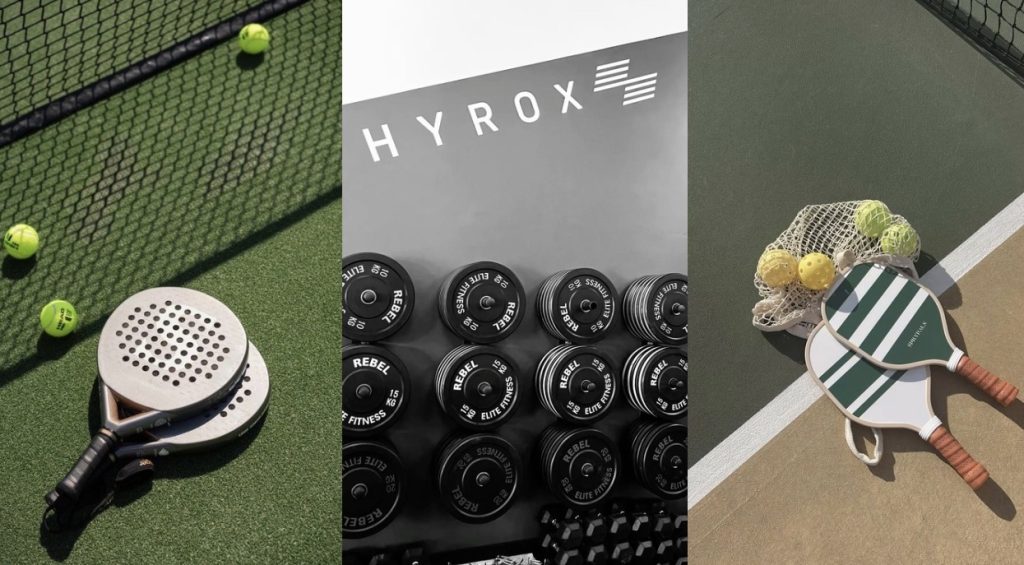
Be honest, your social media feed is probably full of friends pushing sleds, swinging paddles on small courts, or playing some weird hybrid of tennis and ping-pong. HYROX, padel, and pickleball have completely taken over, and for good reason. They offer something traditional sports never could: HYROX gives you a real challenge with measurable results, padel delivers adrenaline without the intimidation, and pickleball is just pure, addictive fun. According to Strava’s annual report, these sports are among the fastest-growing worldwide, with participation skyrocketing across every age group. They are exciting, shareable, and once you try one, good luck stopping.
Here is the plot twist: all this trend-chasing is actually making young people healthier. After years of Gen Z being glued to their phones and doomscrolling, they are finally putting the screens down and moving. HYROX demands real training, turning vague fitness goals into measurable progress. Padel tricks people into getting fit because it is so fun they forget theay are exercising; many players admit they hated racket sports until padel came along. Pickleball is the gentle gateway for sedentary people, offering low-impact movement without destroying their knees. Fitness competitions and community sports are now a major part of young lifestyles, not because they are forced to exercise, but because they actually want to. The bottom line? Working ut does not have to feel like a chore; it can be goal, a game, or a hangout.
Here is the real reason these sports went viral: they are about finding your people. In an aera where we have thousand of online friends but feel lonelier than ever, these sports are bringing us back together in real life. HYROX events feel like music festivals; strangers become teammates, cheering each other through the final stations. Padel is built for doubles, so you are always playing with someone, making it inherently social and community-driven. Pickleball communities are popping up everywhere, from local parks to dedicated courts, where students play alongside retirees, everyone laughing without the ego of traditional sports. Instead of meeting at crowded cafes, people are meeting on the court, creating genuine friendships that no instagram post could ever capture.
However, the rise of sports culture would not have happened this quickly without social media. Platforms like TikTok and Instagram have transformed sports into highly shareable content. A single “day in my life” vlog, a HYROX race recap, or an aesthetic padel outfit video can inspire thousands of people to try the same activity. Algorithms continuously push these trends to wider audiences, making sports not only visible but also desirable. As a result, sports are no longer promoted mainly by athletes or fitness brands. They spread organically through creators, influencers, and everyday users who make an active lifestyle look exciting, relatable, and aspirational.
This growing visibility also creates a new kind of social pressure. As more people join the latest sports trend, many others begin to experience the fear of missing out (FOMO). Suddenly, everyone seems to be training for HYROX, booking padel courts every weekend, or sharing pickleball highlights online. Wanting to be part of the conversation often leads people to spend more than they originally planned, whether it is buying specialized sportswear, upgrading equipment, or paying for coaching sessions and club memberships. What begins as a healthy hobby can gradually evolve into a cycle of consumerism fueled by trends and the desire to keep up.
Over time, certain sports have become more than recreational activities, they have evolved into status symbols. Playing premium sports often signals not only an active lifestyle but also financial capability, social networks, and cultural capital. Expensive rackets, branded apparel, exclusive memberships, and participation in prestigious tournaments become markers of identity that extend beyond athletic performance. While there is nothing inherently wrong with investing in a hobby, the commercialization of sports risks creating an environment where belonging is increasingly measured by what people can afford rather than by their passion for the game itself. As consumers, it is important to recognize that enjoying a sport does not require following every trend or purchasing the latest gear. Ultimately, the true value of sports lies in the health, enjoyment, and connections they create, not in the products or status attached to them.
The rise of HYROX, padel, and pickleball shows that sports are no longer just about physical activity, they have become a cultural phenomenon that shapes how people socialize, express themselves, and spend their time. Driven by social media, these sports encourage healthier lifestyles and stronger communities, while also creating new trends, consumer habits, and even symbols of social status. This transformation reflects a broader shift in modern society, where sports extend beyond competition and evolve into a social lifestyle. As these trends continue to grow, the challenge is to ensure that sports remain accessible, inclusive, and centered on health and genuine human connection, rather than becoming another marker of exclusivity or consumption.
REFERENCES
Antara. (2025, December 3). Strava rilis edisi ke-12 year in sport trend, ungkap olahraga gantikan doomscrolling sebagai aktivitas generasi muda. https://www.antaranews.com/berita/5284789/strava-rilis-edisi-ke-12-year-in-sport-trend-ungkap-olahraga-gantikan-doomscrolling-sebagai-aktivitas-generasi-muda[reference:0]
Adaira, M. A., & Panggabean, M. L. W. (2026). The communication strategy of utilizing Fear of Missing Out (FoMO) to popularize padel at Padel Pro Kemang. Indonesian Journal of Multidisciplinary Sciences, 5(1), 1107–1114. https://doi.org/10.59066/ijoms.v5i1.2562
BBC. (2025, January 20). Hyrox: How fitness sport became the latest viral craze. https://www.bbc.com/news/articles/c9qld4k7k75o
Kemenpora. (2025, June 14). Resmikan Graha Padel Club Surabaya, Menpora Dito: Social sport untuk memasyarakatkan olahraga dan gaya hidup sehat. https://www.kemenpora.go.id/detail/6140/resmikan-graha-padel-club-surabaya-menpora-dito-social-sport-untuk-memasyarakatkan-olahraga-dan-gaya-hidup-sehat[reference:1]
Kompas.com. (2025, September 23). Ketika padel redup di Swedia, tapi malah meledak di Indonesia… https://www.kompas.com/global/read/2025/09/23/160019770/ketika-padel-redup-di-swedia-tapi-malah-meledak-di-indonesia[reference:2]
Media Indonesia. (2025, November 17). Gaya hidup sehat jadi tren baru, kompetisi kebugaran kian diminati anak muda. https://mediaindonesia.com/humaniora/831358/gaya-hidup-sehat-jadi-tren-baru-kompetisi-kebugaran-kian-diminati-anak-muda[reference:3]
Rahmadiana, & Wahjono, D. S. (2025). Commodification of padel sports as a culture of capitalism and personal branding on Instagram. Feedback International Journal of Communication, 2(4), 253–266. https://doi.org/10.62569/fijc.v2i4.215
Strava. (2025, December 3). Strava Year in Sport Trend Report 2025: Gen Z moves away from doomscrolling. https://www.strava.com

0 Comments